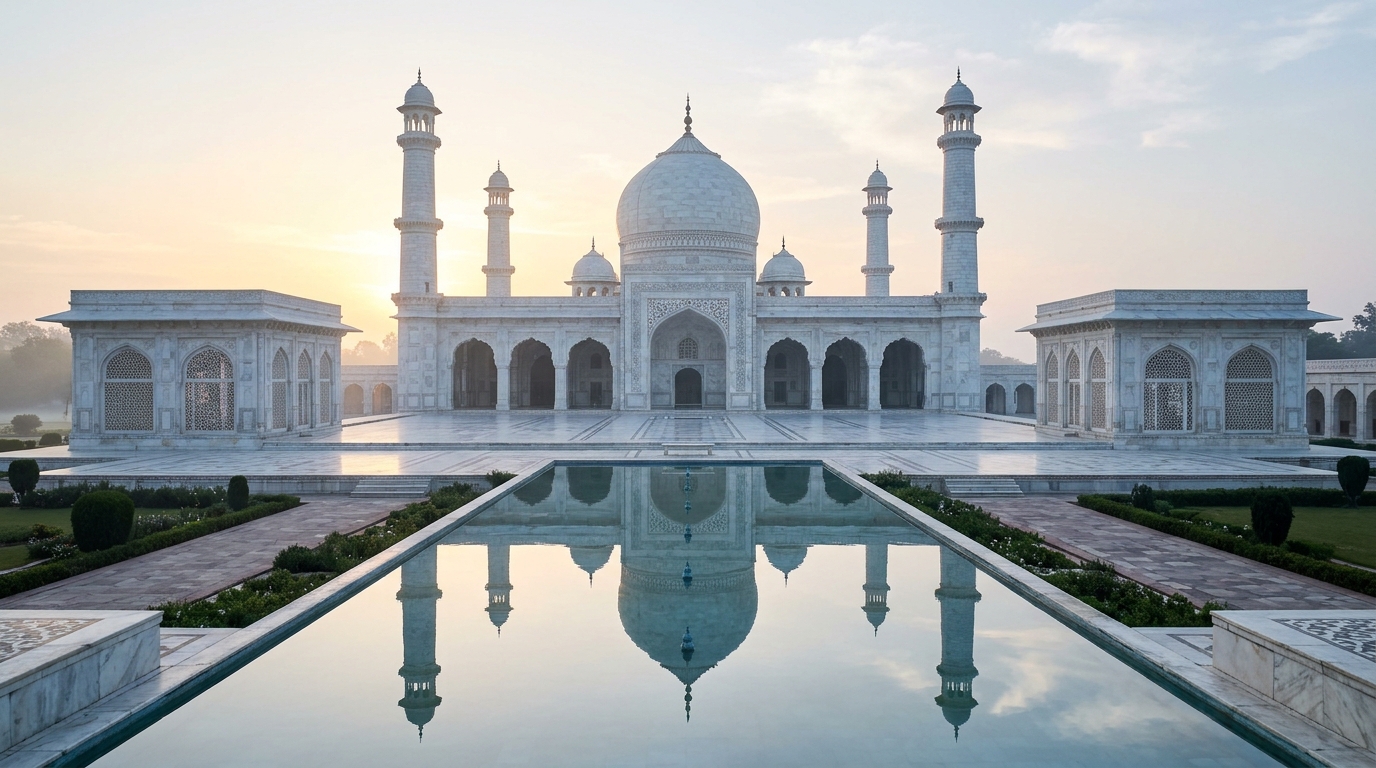
At-A-Glance: Bangladesh Islamic Demographics & Civil Naming Protocols
The Sacred Tradition of Muslim Nomenclature in Bengal
In Bangladesh—home to over 155 million Muslims and the fourth largest Muslim population on Earth—naming a newborn is celebrated as both a profound spiritual act (Ism) and a lifelong civil anchor. From the historic Sultanate terracotta minarets of Bagerhat and Gaur to the bustling metropolitan avenues of Dhaka and the riverine valleys of Sylhet, Bangladeshi Muslim families harmonize classical Arabic scriptural roots with refined Bengali phonetic grace.
Historically, Bengali Muslim names were characterized by honorific prefixes such as Mohammad (মুহাম্মদ), Kazi (কাজী), Syed (সৈয়দ), or Sheikh (শেখ) for boys, and Begum (বেগম), Khatun (খাতুন), or Akter (আক্তার) for girls. However, contemporary Bangladeshi parents, alongside the vibrant 10-million-strong Non-Resident Bangladeshi (NRB) diaspora residing in Saudi Arabia, the United Arab Emirates, Qatar, the United Kingdom, the United States, Malaysia, and Italy, overwhelmingly choose concise, meaningful, single-word or dual-compound Quranic names. These modern selections preserve authentic Arabic phonology, translate effortlessly into bilingual Bengali and English documentation, and safeguard the child's identity in global scholastic and professional arenas.
Curated Islamic Baby Names for Bangladesh & NRB Families
High-frequency Quranic and Prophetic selections featuring Bengali (বাংলা) typography, Arabic orthography, spiritual pedigree, and civil suitability.
Meaning: Luxuriant, flourishing, quenched of thirst. Name of the celestial gate of Jannah reserved exclusively for the fasting.
Meaning: Graceful, beautiful, one who adorns or beautifies his surroundings with virtue.
Meaning: The righteous, dutiful, virtuous souls devoted to Allah and ethical excellence.
Meaning: Chaste, modest, possessing incorruptible moral integrity and dignified restraint.
Meaning: Pure smooth rock washed clean by rain; crystal clear, steadfast and untainted.
Meaning: Continual offering of gratitude and praise to Allah; reciting Alhamdulillah.
Meaning: Divine care, solicitude, protection, and guardian grace bestowed by Allah.
Meaning: Chaste, virtuous, pure-hearted, modest, and upright woman of unblemished character.
Meaning: Devout servant of Allah, chaste mother of Prophet Isa (AS), exalted above all women of creation.
Meaning: High, elevated status, distinguished unique identity; name of the first martyr in Islam.
Meaning: Guiding light, flower of Paradise, illustrious Sahabiyyah renowned for unyielding faith.
Meaning: Spring of highest Paradise whose waters cascade from above; elite celestial refreshment.
Prophetic Sunnah Traditions in Bengal: Tahneek, Aqiqah & Paternal Lineage
In the Muslim culture of Bengal, the birth of an infant is sanctified through time-honored Sunnah practices observed within the very first hours and days of life:
- Azan & Iqamah in the Ears: Gently whispering the Call to Prayer into the newborn's right ear and the Iqamah into the left, ensuring the Tawheed of Allah is the first sound to greet the infant's consciousness.
- Tahneek (তাহনীক): Softening a small portion of a ripe date and gently rubbing it on the newborn's palate, performed by a pious elder or parent, invoking prayers for barakah and physical well-being.
- Aqiqah (আক্বীক্বাহ) on Day 7: Sacrificing two sheep/goats for a baby boy or one for a baby girl, shaving the infant's hair and distributing its weight in silver to the impoverished, and publicly announcing the chosen Islamic name. In Bangladesh, families frequently combine this with sweetmeat distribution (মিষ্টি বিতরণ) to neighbors and relatives.
Islam strictly commands that children be attributed to their biological fathers: «ادْعُوهُمْ لِآبَائِهِمْ هُوَ أَقْسَطُ عِندَ اللَّهِ» (Surah Al-Aḥzāb 33:5 — "Call them by [the names of] their fathers; that is more just in the sight of Allah"). Under Bangladeshi civil law and National Identity Registration (NID), a woman legally retains her paternal maiden name after marriage on her Smart NID Card, passport, and academic certificates. A child's official civil records record the father's name as guardian (Pita / পিতা) and the mother's maiden name (Mata / মাতা), ensuring full alignment between Bangladeshi civil jurisprudence and divine Shariah.
Authentic Al-Quran Ruqyah vs. Cultural Superstitions in Bangladesh
Across both rural villages and urban centers in Bangladesh, families frequently confront spiritual concerns such as jadu (জাদু - sorcery/black magic), kufri kalam (কুফরী কালাম), and nazar or kudrishti (বদনজর / কুদৃষ্টি - the evil eye). While spiritual afflictions are real and acknowledged in the Quran and Sahih Hadith, local cultural practices have unfortunately introduced hazardous superstitions that conflict directly with pure Islamic monotheism (Tawheed).
- Tabiz, Kabach & Maduli (তাবিজ / কবচ / মাদুলি): Wearing metal cylinders, leather pouches, or written amulets around the neck or waist is explicitly condemned. The Prophet ﷺ declared: «مَنْ تَعَلَّقَ تَمِيمَةً فَقَدْ أَشْرَكَ» (Musnad Aḥmad 16969 — "Whoever wears an amulet has committed shirk").
- Black Cords & Kajal Marks (কালো সুতো / কাজলের ফোঁটা): Tying black threads around an infant's wrist, ankle, or waist, or placing black spots on the forehead under the superstition that color repels demons, is baseless folk mythology devoid of Sunnah.
- Charlatan Healers (ভণ্ড কবিরাজ / তান্ত্রিক): Consulting individuals who demand mothers' maiden names for esoteric calculations, burn unidentifiable foul-smelling incenses, or claim hidden knowledge (Ghaib).
- Recitation of Al-Mu'awwidhat (তিন কুল): Reciting Surah Al-Ikhlas, Surah Al-Falaq, and Surah An-Nas into cupped hands, blowing lightly (Nafth), and wiping over the child's entire head and body every morning and evening.
- Ayat al-Kursi (আয়াতুল কুরসী): Reciting Surah Al-Baqarah (2:255) in the home for complete demonic shielding and divine angelic custody.
- Prophetic Dua for Children: Reciting over infants: «أُعِيذُكُمَا بِكَلِمَاتِ اللَّهِ التَّامَّةِ مِنْ كُلِّ شَيْطَانٍ وَهَامَّةٍ وَمِنْ كُلِّ عَيْنٍ لَامَّةٍ» (Sahih Bukhari 3371 — "I seek refuge for you in the perfect words of Allah from every devil and poisonous creature, and from every evil eye").
Pediatric Clinical Alert: Fever in Infants Under 90 Days is an Emergency
Official Protocol of Bangladesh Paediatric Association (BPA) & Directorate General of Health Services (DGHS)
In Bangladeshi society, when an infant develops sudden fever, crying spells, or lethargy, well-meaning elders sometimes assume the child is afflicted by nazar (বদনজর) or batash (বাতাস / spiritual disturbance) and delay medical consultation to seek spiritual water (পড়া পানি) or tabiz. This delay can be fatal.
A rectal or core temperature of ≥38.0°C (100.4°F) in an infant under 90 days of life is a medical emergency indicating potential sepsis, meningitis, pneumonia, or neonatal bacteremia. Ruqyah recitations must accompany medical care, never replace or postpone it. The Prophet Muhammad ﷺ commanded:
«تَدَاوَوْا فَإِنَّ اللَّهَ عَزَّ وَجَلَّ لَمْ يَضَعْ دَاءً إِلَّا وَضَعَ لَهُ دَوَاءً غَيْرَ دَاءٍ وَاحِدٍ الْهَرَمُ»
"Seek medical treatment, for Allah has not made a disease without making a cure for it, except old age." (Sunan Abī Dāwūd 3855, Sahih).
Civil Birth Registration in Bangladesh (BDRIS): 45-Day Statutory Mandate
Every child born within Bangladesh or to Bangladeshi parents abroad is governed by the Birth and Death Registration Act 2004 (Act No. XXIX of 2004) and the Birth and Death Registration Rules 2018. All registrations are processed exclusively through the centralized online portal: BDRIS (Birth and Death Registration Information System - bdris.gov.bd) under the Office of the Registrar General, Local Government Division (LGD).
Registration within 45 calendar days of birth is 100% free of government fees. Registrations between 46 days and 5 years incur standard government stamp fees.
File at the Union Parishad (rural), Pourashava (municipalities), City Corporation Ward Office (metropolitan zones), or Cantonment Board according to parents' permanent or present address.
Children born to Bangladeshi expatriates in the GCC, UK, US, Italy, or elsewhere must register at the nearest Bangladesh Embassy or High Commission via the online BDRIS portal before passport issuance.
- Hospital Discharge / EPI Immunization Card: Issued by the attending obstetrician or hospital detailing exact date, time, and birth weight.
- Parents' 17-Digit Digital Birth Registration Certificates (BRC): Both parents must possess online verifiable 17-digit BDRIS birth certificates.
- Parents' Smart National Identity Cards (NID) or Passports: Verification of parents' legal names in both Bengali and English.
- Proof of Residence: Holding tax receipt, land deed, utility bill, or Ward Councilor/Chairman certificate verifying residential jurisdiction.
- Bilingual Exact Orthography: Ensure the child's name is spelled with absolute precision in both Bengali script (e.g., রায়ান) and Latin characters (e.g., Rayan) to avoid costly civil affidavits later in life.
Frequently Asked Questions: Islamic Naming & Civic Regulations in Bangladesh
1. What is the statutory deadline for registering a newborn baby's birth in Bangladesh?
Under the Birth and Death Registration Act 2004 and the 2018 Rules, every birth must be registered within 45 calendar days. Registration within this initial 45-day window is completely free of charge. Registrations submitted after 45 days up to 5 years incur government stamp fees and require supplementary verification by the local Ward Councilor or Union Parishad Chairman.
2. How do Non-Resident Bangladeshi (NRB) parents register a child born abroad?
Expatriate Bangladeshi parents residing in Saudi Arabia, the UAE, the UK, the United States, Malaysia, Italy, or elsewhere can complete their newborn's birth registration online through the centralized BDRIS portal (bdris.gov.bd) by selecting the nearest Bangladesh Embassy or High Commission as the registering office. Parents submit the foreign hospital birth certificate along with their Bangladeshi passports and digital birth certificates, after which the mission issues an official 17-digit digital Bangladeshi birth certificate necessary for Machine Readable Passport (MRP) or E-Passport issuance.
3. Does a mother in Bangladesh have to adopt her husband's surname after marriage?
No. Under both Islamic Shariah and Bangladeshi civil law, a woman is neither required nor encouraged to change her paternal maiden surname upon marriage. In accordance with Surah Al-Ahzab (33:5), lineage must always trace to the biological father. On Bangladeshi Smart National Identity Cards (NID) and Passports, a woman legally maintains her paternal identity, with her husband's name recorded separately in the marital status field without erasing her maiden name.
4. Are tabiz, kabach, and black wrist cords permissible for newborn baby protection in Islam?
No. Wearing physical amulets—whether metal tabiz (তাবিজ), kabach (কবচ), maduli (মাদুলি), or black cords tied around an infant's wrist, ankle, or neck—is strictly prohibited according to authentic prophetic guidance. The Prophet Muhammad ﷺ stated explicitly: "Whoever wears an amulet has committed shirk" (Musnad Ahmad 16969). True Islamic spiritual protection (Ruqyah) consists solely of vocal recitations of the Quran (Surah Al-Fatihah, Ayat al-Kursi, the 3 Quls) and authentic Prophetic supplications blown gently over the child.
5. What should parents do if an infant develops a sudden high fever accompanied by crying?
If an infant under 90 days of life develops a rectal temperature of ≥38.0°C (100.4°F), it is an acute pediatric emergency requiring immediate hospital evaluation at Dhaka Shishu Hospital, Chittagong Medical College Hospital, or the nearest tertiary pediatric facility. Parents must never delay emergency medical care to seek spiritual recitations or unverified folk remedies. Seeking medical treatment is a direct Sunnah commanded by Prophet Muhammad ﷺ in Sunan Abi Dawud (3855).
Explore Metropolitan & Divisional Islamic Guides Across Bangladesh
Select your city or district for localized BDRIS civil registration offices, premier pediatric healthcare centers, and regional Islamic cultural naming heritage.